
Table of Contents
ToggleVander is one of League of Legends’ most compelling characters, bridging the gap between Arcane’s narrative and Runeterra’s deep lore. Since his introduction through the acclaimed Netflix series, players have been hungry for a complete breakdown of who he is, what he brings to Summoner’s Rift, and how to master him in-game. Whether you’re drawn to Vander for his tragic story, his role in shaping Zaun’s underworld, or simply want to dominate with him in ranked, this guide covers everything you need to know. We’ll walk through his abilities, optimal builds, role flexibility, matchups, and the advanced mechanics that separate decent Vander players from those who truly understand the Rogue Chembaronn.
Key Takeaways
- Vander is a bruiser enforcer in League of Legends who excels at crowd control and tankiness, rewarding players who master map awareness and team coordination over mechanical flashiness.
- His Chain Breaker passive stacks with damage dealt and taken, increasing both damage resistance and output—making decision-making about engagement crucial for separating skilled Vander players from casual ones.
- Core build items like Sunfire Aegis, Hollow Radiance, and Thornmail maximize tankiness while keeping damage relevant, with situational items adjusted against healing, burst, or poke-heavy enemy compositions.
- Vander’s role flexibility as support, jungler, or bruiser depends on matchup awareness—he dominates melee bruisers and squishy mages but struggles against ranged carries and one-shot burst champions requiring defensive adaptation.
- Mastering Vander’s ultimate Chainbreaker’s Requiem requires understanding timing and positioning; activating it 1–2 seconds after your team initiates when enemies are grouped ensures maximum teamfight control and setup potential.
- Advanced play separates great Vander players through passive stacking optimization, baiting enemy abilities with Protective Stance, and strategic roaming enabled by deep warding in enemy jungle choke points.
Who Is Vander? Understanding the Character Behind the Legend
Vander’s Role in Arcane and League of Legends Lore
Vander’s story begins as the tragic catalyst of Arcane’s first act. He’s portrayed as Powder and Vi’s adoptive father figure, a man shaped by loss, driven by survival, and eventually defined by a single moment of desperation. In the world of League of Legends, Vander operates as a rogue chembaronn, a criminal entrepreneur operating in the shadows of Zaun’s toxic underbelly. His character embodies the region’s struggle: the haves and have-nots, those with power and those fighting to survive in a corrupted system.
Arcane’s writers crafted Vander as the emotional core of the series’ opening chapters. His death wasn’t just a plot twist, it was the inciting incident that fractured Powder and Vi’s lives forever. In League lore, this moment holds weight far beyond the show. Vander represents the resistance against oppression, the choice to protect your family at any cost, and the price of living outside Piltover’s law. His presence in League of Legends Zaun: connects him directly to the region’s identity and culture.
From Rogue Chembaronn to Mythic Figure
What makes Vander extraordinary isn’t just his backstory, it’s how his influence extends throughout League of Legends and Arcane. By the time Arcane Season 2 rolled around, speculation about Vander’s potential return as a corrupted or transformed entity added layers to his myth. Fans theorized his connection to Viktor, Shimmer corruption, and the boundaries between man and machine that define Zaun.
In the context of playable League of Legends, Vander embodies the archetype of the bruiser enforcer, someone caught between damage output and survivability. His kit prioritizes crowd control and utility, making him less about pure damage and more about controlling fights and protecting allies. This design choice reflects his narrative: a protector first, a fighter second. Unlike champions like Sylas who embrace their power openly, Vander operates through cunning, adaptability, and tactical positioning. His abilities reward awareness and map control rather than mechanical flashiness, which aligns perfectly with his role as a street-smart survivor who thinks two steps ahead.
Vander’s Abilities and Combat Mechanics
Passive Ability Overview
Vander’s passive ability, Chain Breaker, is where his identity truly shows. Whenever Vander deals damage or takes damage, he gains a stack that increases his damage resistance and damage output. This stacking mechanic rewards aggressive play while making him increasingly tanky as fights escalate, perfect for a brawler who thrives in extended skirmishes.
The passive caps out at a maximum number of stacks, forcing players to decide: do you maintain stacks by constantly engaging, or do you let them decay when positioning becomes safer? This decision-making layer is what separates casual Vander players from skilled ones. The more you engage, the stronger you become, but overcommitting without backup is a death sentence.
Q, W, E, and R Abilities Breakdown
Q – Reckless Swing is Vander’s bread-and-butter ability. It’s a short-range melee attack that hits enemies in a small cone in front of him. The ability scales with his passive stacks, meaning each point of Chain Breaker increases both the damage and the radius of this attack. Early game, it’s your primary damage tool and wave clear. Late game, it becomes a teamfight essential for spreading damage across multiple enemies.
W – Enfeeble is his crowd control ability and arguably his most useful tool in fights. He throws a chain that stuns the first enemy hit, briefly immobilizing them. This ability is your primary engage tool, your disengage tool when enemies get too close, and your setup for teammates to follow up. The cooldown is reasonable at all ranks, making it spammable enough to feel rewarding without being overpowered. It’s also a skillshot, so landing it consistently separates good Vander players from great ones.
E – Protective Stance shifts Vander into a defensive mode. He gains temporary damage reduction and movement speed, allowing him to reposition or tank incoming burst. This ability exemplifies his playstyle: you’re not running away: you’re repositioning yourself into a more advantageous position. The cooldown synergizes with Chain Breaker, giving you a moment to reset stacks if needed or double down on engagement if the fight’s going your way.
R – Chainbreaker’s Requiem is Vander’s ultimate ability and defines how you teamfight. Upon activation, Vander chains all nearby enemies together, limiting their movement range relative to each other for a few seconds. Enemies still can move, but they’re tethered, attempting to spread out or kite away gets punished. This ability fundamentally changes how teamfights play out, especially against spread-out compositions. Paired with your team’s crowd control, it becomes a kill setup that’s nearly impossible to escape.
Ultimate Ability Strategy and Timing
The key to mastering Chainbreaker’s Requiem is understanding when to use it. Pressing R too early wastes the effect since enemies haven’t grouped yet. Pressing it too late means your team’s burst damage is already spent and enemies are scattering. The sweet spot is around 1–2 seconds after your team initiates, when enemies are grouped but haven’t yet begun kiting backwards.
Another critical consideration: this ultimate is strongest in cramped spaces. On narrow map corridors or in jungle camps, the tether effect prevents meaningful repositioning. In open-field fights, skilled opponents can still space around the chains. This is why map positioning and setup matter more than the ultimate itself. Your job isn’t to guarantee a kill with R, it’s to enable your team to execute.
Best Builds and Item Recommendations for Vander
Core Items for Maximum Impact
Vander’s optimal build path centers on maximizing tankiness while keeping damage output relevant. This isn’t a pure damage champion, you’ll never out-DPS a proper carry, and that’s not your job.
Sunfire Aegis is almost always your first item. The waveclear synergizes with Reckless Swing, the armor helps early game skirmishes, and the burn damage procs on your passive stacks, giving you consistent damage output in fights without needing to land skillshots. The mythic passive also boosts your overall durability.
Thornmail comes next if the enemy team has multiple auto-attack reliant champions (ADC, Attack Speed junglers, etc.). The armor is massive for a bruiser, and the grievous wounds passive severely cuts healing, invaluable against sustain-heavy teams. Against teams heavy on burst mages? Skip it.
Hollow Radiance provides the bulk of your magic resist and synergizes perfectly with Sunfire’s waveclear. The bonus health helps you survive burst combos, and the magic resist scales your damage reduction stacking from Chain Breaker. This is rarely skippable.
Spirit Visage is your alternative to Hollow Radiance if the enemy team has healing threats (Soraka, Vladimir, Yuumi) or heavy poke damage (Nidalee, Jayce). The spell vamp amplification plays into extended fights where you’re constantly dealing and taking damage.
After these core items, your sixth item slot remains flexible. Most games you’ll finish Overlook’s Plating for the cooldown reduction and movement speed, or Adaptive Helm if specific champions are threading you (Ryze bursting you repeatedly, etc.).
Situational Items Against Different Matchups
Against Full AD Comps: Double down on armor. Kaenic Rookern adds magic resist while still stacking armor, and Anathema’s Chains turns one enemy carry into a non-threat by reducing their damage to you by 40%. This single item shift wins games against teams where one champion (like a Tryndamere) threatens to 1v5.
Against Heavy Poke (Xerath, Hwei, Lux): Prioritize health and magic resist early. Kaenic Rookern before your second item accelerates your magic resist stacking and gives you survivability against repeated burst rotations. Their poke damage is negated if you have 150+ magic resist and 3000+ HP.
Against Healing (Soraka, Senna support): Morellonomicon is crucial, but only rush it if they have a support or jungler you directly contest. Otherwise, Thornmail into Spirit Visage does enough with grievous wounds to manage sustained healing.
Early Invulnerability vs. One-Shots: If an enemy has a one-shot combo and you’re struggling (LeBlanc, Zed, Syndra), Kaenic Rookern or Adaptive Helm buys you enough time to react. Your Protective Stance stacks with these items: the math becomes: 30% damage reduction (item) + 15% (ability) + 10% (passive stacks) = you suddenly surviving what should have killed you.
Vander in Different Roles: Positioning and Playstyle
Support and Tank Viability
Vander’s primary role is support, though his tankiness allows flexibility. As support, your job isn’t to land every Reckless Swing, it’s to provide Enfeeble crowd control, protect your ADC, and setup your team with Chainbreaker’s Requiem. Build support-centric items early: Hollow Radiance or Kaenic Rookern before damage items. Your relic shield procs trigger passive stacks, so don’t underestimate the bonus damage from support items.
Positioning in support is about staying 1-2 champion widths behind your ADC, ready to Enfeeble incoming threats. You’re not trying to get kills: you’re denying the enemy’s threats from reaching your carries. Ward river when you can, track enemy cooldowns (when did their junglers last engage?), and rotate to vulnerable teammates whenever possible.
Vander’s crowd control is exceptional for lockdown, especially paired with champions like Ashe or Lux who already have setup. Your Enfeeble into their follow-up creates an execution style most teams can’t escape.
Jungler and Bruiser Potential
Vander’s kit also works in the jungle. Start Krugs or Raptors, farm toward your Sunfire Aegis, and prioritize ganks on lanes with heavy crowd control (you and a Lissandra midlaner = guaranteed kill on careless enemies). Your Enfeeble is a better engage tool than many junglers, short-ranged, but guaranteed if you’re already close.
As a bruiser (top lane or mid lane in certain metas), Vander thrives into melee matchups where extended trades favor him. Against ranged top laners, you’ll struggle pre-6 without jungler help. The key is securing your first item’s power spike and then bullying melee opponents out of lane. Your Protective Stance lets you absorb trades: your Chain Breaker passive punishes their repeated aggression.
One critical note: Vander’s range is extremely short. Top lane specifically means facing champions who can kite you (Quinn, Vayne, Teemo). You’ll need to be very selective about when you engage. Mid lane is more forgiving since enemies can’t safely kite endlessly, but you’re still vulnerable to champion poke (Viktor, Ahri) before your first magic resist item.
Matchups and Counterplay: Who Does Vander Face Best?
Favorable Matchups and Win Conditions
Vander’s win condition against most opponents is simple: play to your strengths (tankiness, short-range crowd control) and avoid their strengths.
Vander vs. Other Melee Bruisers (Sett, Garen, Darius): This is Vander’s best matchup category. You both want to engage in extended melee range, but Vander’s Chain Breaker passive stacking and crowd control availability usually wins these slugfests. The key: don’t get hit by Darius’ Hemorrhage stacks early, and maintain poke distance against Sett until you’re tankier. Most bruisers fall off mid-game once you hit Hollow Radiance, your tankiness spikes faster than theirs.
Vander vs. Squishy Mages (Lux, Xerath, Vel’Koz): Your short range is a weakness here, but your crowd control is devastating. If you land Enfeeble, they’re dead in most teamfights. The win condition: dodge their poke, survive to mid-game with tankiness items, then become unkillable. Mages can’t kill Vander once you have 150+ magic resist and 3000+ HP. They’ll slowly realize they can’t burst you, and your team wins the attrition war.
Vander vs. Early-Game Junglers (Lee Sin, Elise, Nidalee): These are skill matchups that swing on execution. Lee Sin and Elise can chase you down if you over-extend, but Vander’s durability and crowd control allow you to hold your ground in skirmishes. Land Enfeeble, stack your passive, and these junglers can’t sustain the fight. The win condition: play respectfully until level 6, ward aggressively, and then your ultimate becomes their nightmare.
Difficult Opponents and How to Adapt
Vander vs. Ranged Carries (Quinn, Vayne, Lucian top): These matchups are Vander’s hardest. They kite you endlessly, and you can’t engage without significant cooldown commitment. The adaptation: Play for your jungler’s ganks, not for solo kills. Ward their likely kite paths, use Protective Stance to close gaps when they’re positioning greedily, and accept that you’ll lose some trades. Your win spike comes at team objectives where their kiting is restricted and your crowd control shines.
Vander vs. One-Shot Burst (LeBlanc, Syndra, Zed): You’re not supposed to duel these champions, period. The adaptation: Max magic resist (or armor for Zed), play defensively, and let them waste cooldowns on you. Their burst is wasted if you survive, and they have long cooldowns you can exploit for counterplay. Split push and create number advantages elsewhere on the map instead of matching them in extended fights.
Vander vs. Healing Sustain (Vladimir, Soraka, Yuumi): These champions out-sustain your damage output. The adaptation: Prioritize grievous wounds items (Thornmail or Morellonomicon) and focus on lockdown duration rather than damage. Your Enfeeble into a teammate’s burst is the only way to out-pace their healing. Pure damage trades against sustain champions favor the sustain, always favor crowd control setups instead.
Vander vs. Coordinated Team Burst (e.g., Lux + LeBlanc combo): Multiple burst sources means you can’t survive through tankiness alone. The adaptation: Avoid grouping in vulnerable positions, use Protective Stance preemptively when their cooldowns are available, and position near terrain that blocks skillshots. This is why map control matters more than raw stats, they can’t burst you if they can’t reliably hit their combos.
Advanced Tips and Tricks for Mastering Vander
Combos and Attack Sequencing
Vander’s most explosive combo is Enfeeble into immediate Reckless Swing. The stun from Enfeeble gives you 1.5 seconds to position directly on top of the enemy, and Reckless Swing’s wide radius hits them point-blank plus nearby allies. This combo is guaranteed damage and setup for your team.
A second layer: Protective Stance before Enfeeble. The movement speed from stance allows you to close gaps faster, ensuring Enfeeble lands from ranges where enemies think they’re safe. Practiced players expect the engagement, conditioning them to respect your range is half the battle.
For passive stacking optimization: Alternate Q and W abilities during laning phase. Reckless Swing procs passive stacks on minion hits, building your tankiness. Enfeeble procs stacks on enemy champions. By cycling both, you maintain stacks constantly without relying solely on champion trades. A fully stacked Vander (5 passive stacks) deals 25% more damage and takes 10% less damage, that’s the difference between winning and losing extended trades.
Map Awareness and Roaming Strategy
Vander’s strength is lockdown, which means roaming to assist allies is one of your primary jobs. If your lane is pushing, leave a ward in river and roam mid for a guaranteed gank setup. Your Enfeeble stun into mid lane burst is often a kill.
Tracking enemy summoner spells is critical. If the enemy ADC just used Flash or Heal, that’s your window to force a fight without their escape tools. Conversely, if the enemy support has Thresh readily available and their jungler is near, roaming is suicide.
Ward placement matters enormously. Place deep wards in enemy jungle choke points (raptors, krugs), not only does this track enemy rotations, it also extends your roaming range. You can engage from fog of war where enemies can’t react to your approach. This is especially powerful with Enfeeble, a stun from unseen positions feels unavoidable to the enemy team.
Team Fighting and Late-Game Positioning
Late-game Vander is about positioning for maximum Chainbreaker’s Requiem effectiveness. You want to be close enough to engage, but positioned so your team can follow up without being exposed. The ideal position is slightly offset from your team’s main damage dealers, threatening the backline while still benefiting from your front-line’s body blocking.
In teamfights, prioritize Enfeeble usage on the enemy’s most dangerous champion (their ADC, their key burst mage) rather than whoever you’re closest to. A locked-down carry is a dead carry. After the stun, immediately position for Chainbreaker’s Requiem to prevent their teammates from peeling.
One advanced concept: practice baiting enemy abilities. If a Xerath has landed 2 spells already, his next spell is likely coming at you. Use Protective Stance to absorb it, immediately followed by Enfeeble on him before he repositions. This read-based gameplay separates good Vander players from great ones.
Post-6, your ultimate is your teamfight glue. Don’t waste it on scattered enemies, wait for them to group (even slightly), then activate. A tethered enemy team with minimal repositioning options is guaranteed teamfight victory if your team’s damage is present. This is why communication matters: ping before you ult so your team doesn’t hold damage while you’re waiting for setup.
Vander Skins and Cosmetics: Aesthetic Choices for Players
Vander’s cosmetic lineup reflects his dual identity: the street-smart survivor and the legend. Each skin explores different facets of his character through visual storytelling.
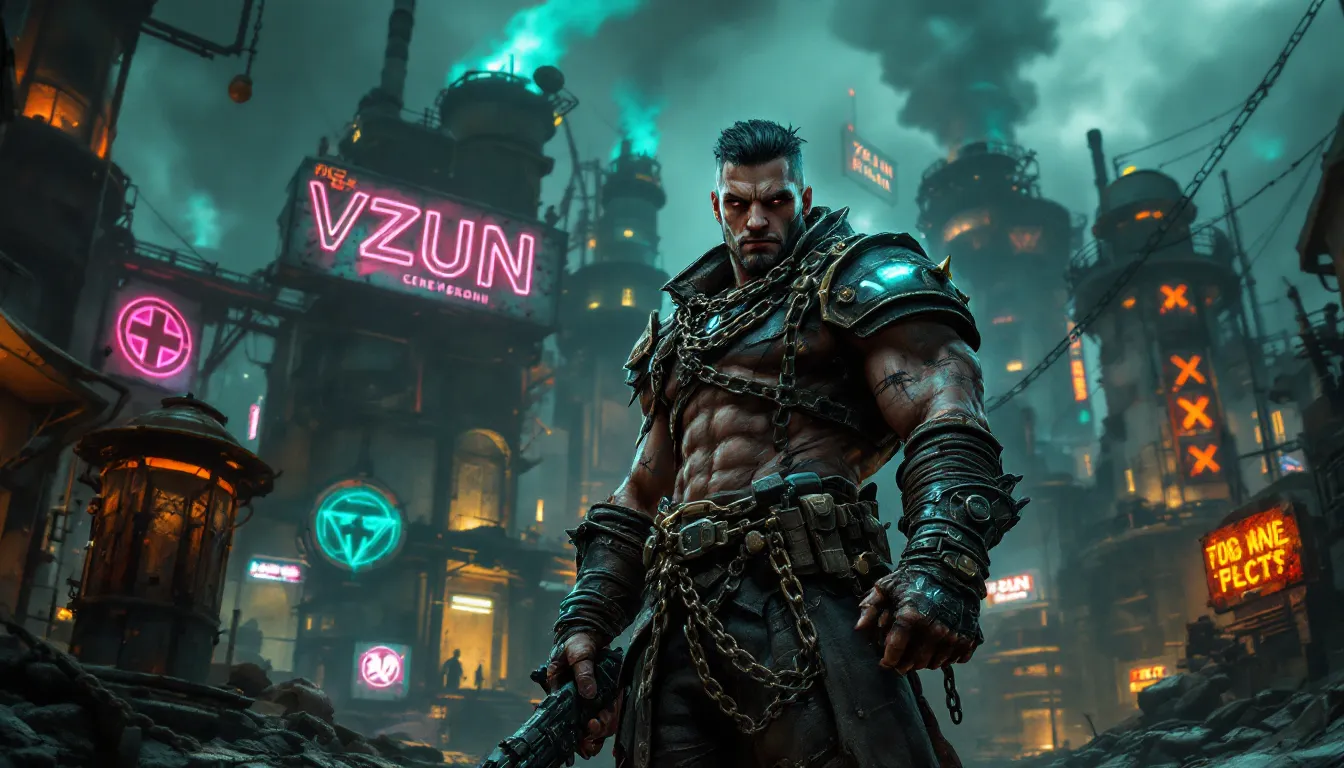
Base Vander captures his Arcane aesthetic, grimy, street-worn, and authentically undercity. The chains, worn leather, and scarred appearance immediately communicate who he is. No flashiness, just raw authenticity.
Chemtech Vander reinterprets him as a scientist or tech-enhanced enforcer. The skin features glowing accents, mechanical elements, and a futuristic color palette, a visual what-if of Vander enhanced by Shimmer or Chemtech innovation. If you prefer sci-fi aesthetics, this is your pick.
Crime City Vander (or similar thematic skin) positions him as a crime boss in an urban noir setting. Sleek suit, fedora, and organized crime aesthetics replace the ragged street-fighter look. This skin appeals to players who want to embody the more refined criminal underworld version of the character.
Skin selection is purely aesthetic, no mechanical differences, just personal preference. Players who loved Arcane often gravitate toward base Vander for authenticity. Competitive players who want visual clarity sometimes prefer skins with less visual clutter. There’s no “best” choice: it’s about which visual identity resonates with you.
For those comparing Vander with other champions, champion diversity in cosmetics means everyone has options. Whether you’re comparing with Evelynn League of Legends: or other bruisers, skin selection should match your personal style rather than any meta consideration.
Conclusion
Mastering Vander demands understanding both his narrative weight and mechanical depth. He’s not the flashiest champion, no outplay montages, no mechanical complexity that rivals micro-intensive champions. Instead, Vander rewards game sense, positioning discipline, and team coordination. Understanding when to engage, how to stack your passive efficiently, and when to hold your ultimate for maximum teamfight impact separates casual players from those who truly excel with him.
His role flexibility, support, jungle, bruiser, means Vander works in varied team compositions. Build paths remain consistent in their core focus (tankiness + crowd control), but adaptation against specific matchups is essential. Whether you’re facing healing sustain, burst mages, or coordinated team compositions, Vander has tools to handle them.
Vander’s story in Arcane gave League of Legends its most emotionally resonant character introduction in years. His in-game kit honors that narrative weight while offering tactical depth for competitive play. He’s not broken, not overpowered, just an honest, well-designed champion whose strength scales with your understanding of macro play, team synergy, and adaptability. Start building your fundamentals, grind your games, and you’ll unlock Vander’s potential quickly.
For deeper competitive insights and meta shifts, resources like Mobalytics track Vander’s performance across ranks and patches, helping you stay updated as balance changes land. The character continues to evolve with each update, so staying informed ensures your strategies remain sharp and effective throughout the season.