
Nintendo’s Wii was a game-changer, turning couch potatoes into active gamers with its motion-sensing magic. But as technology zooms ahead, many are left scratching their heads, wondering if the beloved console still has a place in the gaming world. Spoiler alert: it doesn’t.
While the Wii’s legacy lives on in the hearts of nostalgic gamers, Nintendo has officially moved on to bigger and better things. With the Switch taking center stage, it’s clear that the days of the Wii are behind us. But don’t worry, that doesn’t mean the fun is over. The gaming giant continues to innovate and delight, proving that while the Wii may have hung up its controllers, the spirit of creativity and playfulness is very much alive.
Overview of Nintendo’s Wii Console
Nintendo’s Wii console debuted in November 2006, revolutionizing gaming through its innovative motion-sensing technology. This design encouraged players to engage physically, shifting away from traditional controller-based gameplay. Aimed at a broad audience, the Wii attracted families and casual gamers, creating an inclusive gaming environment.
Sales surpassed 100 million units globally, making it one of the most successful video game consoles in history. The console’s unique lineup included popular titles such as “Wii Sports” and “Super Mario Galaxy,” highlighting its appeal across various demographics.
Support for the Wii extended until 2019, with digital storefronts and online services shutting down as Nintendo transitioned to newer systems. The success of the Wii contributed significantly to the evolution of gaming consoles, influencing how future devices incorporated movement and interactive experiences.
As the gaming landscape advanced, Nintendo shifted its focus to the Nintendo Switch, which combines handheld and traditional gaming experiences. Despite the end of the Wii era, the company’s commitment to innovation remains evident, maintaining a spirit of creativity and fun in every new release. The legacy of the Wii is still felt, as its motion-sensing technology paved the way for enhanced interactive gameplay in subsequent consoles.
Current Status of Wii Production
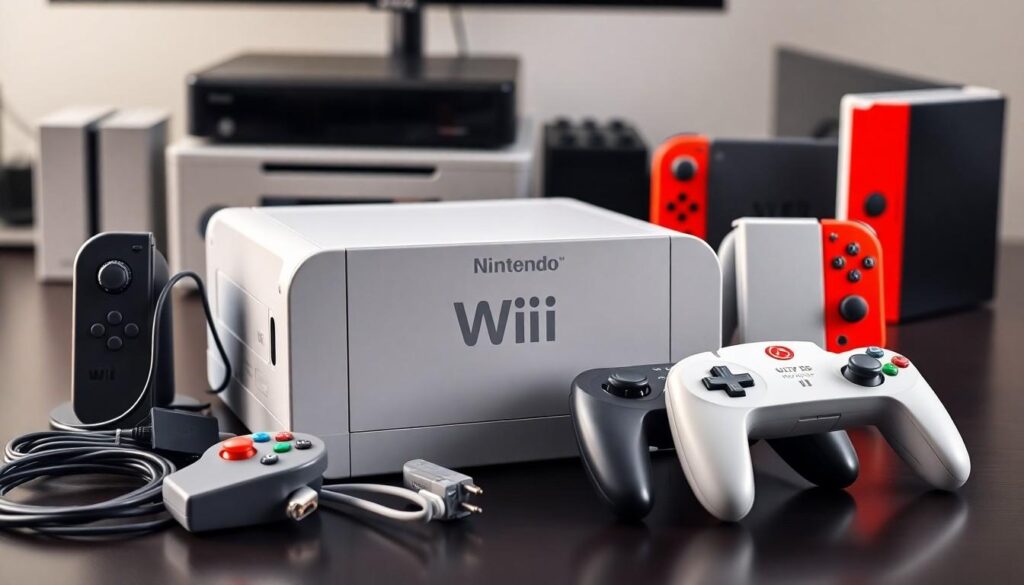
Nintendo no longer produces the Wii console. The company transitioned its focus to the Switch after ceasing Wii manufacturing.
Recent Announcements
In 2019, Nintendo confirmed the end of Wii production, redirecting resources towards its Switch platform. The Switch’s hybrid design caters to both handheld and traditional gaming preferences. As part of this shift, the company ceased to manufacture Wii accessories and hardware. Recent updates primarily highlight the ongoing success and support for the Switch, which has sold over 120 million units since its release in March 2017. Nintendo remains committed to expanding its gaming portfolio with new titles and features for current systems.
Discontinuation Timeline
The Wii’s production officially ended in 2013, following a highly successful seven-year run. Over that period, the console sold more than 100 million units worldwide, cementing its status in gaming history. Nintendo continued to support the Wii until 2019, providing software updates and services. By this time, shifts to the Switch platform were evident, as the company aimed to streamline its resources. With the discontinuation, retailers gradually stopped stocking Wii units, marking the transition to newer consoles in the market.
Alternatives to the Wii
Nintendo’s focus has shifted significantly since the Wii’s production ended. Gamers now have various alternatives to explore.
Newer Console Releases
The Nintendo Switch emerged as a direct successor to the Wii, launching in March 2017. This console combines the flexibility of handheld gaming with the traditional home console experience. Competing platforms like PlayStation 5 and Xbox Series X also gained popularity, offering advanced graphics and immersive gameplay. Each of these consoles provides distinct features tailored to a wide range of gaming preferences. Options like virtual reality consoles have also entered the market, further diversifying choices for gamers. The broader gaming landscape continues to evolve, catering to various audiences.
Nintendo Switch’s Impact
The Nintendo Switch redefined gaming preferences and player interaction. With over 120 million units sold, it quickly became one of Nintendo’s most successful consoles. Key features like detachable controllers encourage multiplayer experiences while allowing for convenient solo gameplay. The Switch’s library includes popular titles like “The Legend of Zelda: Breath of the Wild” and “Animal Crossing: New Horizons.” Its flexibility appeals to a broad audience, attracting both casual gamers and dedicated enthusiasts. Nintendo’s commitment to regular software updates enhances user experience, keeping the platform relevant in a competitive market.
Community and Support
The Nintendo Wii community remains vibrant despite the console’s discontinuation. Players still connect through various platforms and forums to share experiences, tips, and game recommendations.
Online Presence and Forums
Numerous online communities exist for Wii enthusiasts. Websites like Reddit host dedicated subreddits where users discuss game strategies and challenges. Specific gaming forums cater to Wii-related topics, fostering discussions around classic titles and nostalgic memories. Social media groups also support the sharing of game highlights and fan art. Engaging with these communities allows players to find fellow Wii fans and encourages interaction among gamers.
Game Availability and Support
Game availability for the Wii continues to be a focus for dedicated fans. While Nintendo officially stopped producing new Wii games, popular titles remain accessible through digital storefronts and second-hand markets. Players often explore services like Nintendo eShop for downloadable titles that remain compatible with legacy consoles. Third-party developers sometimes release retro games or remastered versions, keeping the gaming experience alive. Support for existing Wii titles persists through online guides and community-created content, enhancing gameplay for dedicated users.
Conclusion
Nintendo’s transition from the Wii to the Switch marks a pivotal moment in gaming history. While the Wii’s production has ceased and its era has ended, its influence is still felt in modern gaming. The vibrant community surrounding the Wii ensures that its legacy lives on through shared experiences and ongoing discussions among fans.
As players explore new gaming alternatives, the spirit of the Wii continues to inspire innovation and creativity. With the Switch leading the charge and other platforms expanding the gaming landscape, enthusiasts can look forward to a future rich with diverse gaming experiences. The memories and connections forged during the Wii’s reign remain cherished, proving that great gaming moments endure beyond the lifespan of a console.