Table of Contents
ToggleNasus has remained one of League of Legends’ most deceptive champions since his release, a slow-stacking top laner who can turn a patient farm session into an unstoppable late-game powerhouse. In 2026, with the meta favoring extended side lane pressure and teams increasingly valuing split pushers, Nasus has clawed his way back into relevance. The trick isn’t playing him passively and hoping to scale: it’s understanding exactly when to farm, when to trade, and how to leverage his scaling pressure to suffocate enemies. This guide breaks down everything you need to dominate with the Eternal Hound, from rune selections and item builds to matchup specifics and macro decision-making that separates hardstuck players from actual Nasus threats.
Key Takeaways
- Nasus’ infinite scaling through Q stacks makes him exponentially stronger in extended games, turning patient farming into late-game dominance with 500+ bonus AD.
- Hit crucial stack benchmarks—50 by 10 minutes, 200 by 15 minutes, and 400+ by 25 minutes—to ensure your Nasus scaling remains on track for victory.
- Trinity Force into defensive items (Kaenic Rookern or Hollow Radiance) creates your primary power spike at two items, making you a reliable 1v1 threat against most top laners.
- Master split-push macro by creating 4v4 scenarios elsewhere on the map while your Nasus applies unstoppable pressure in the side lane with adequate stacks and items.
- Prioritize farming over early trades—Nasus lacks early burst and mobility, so surviving lane without deaths while hitting CS targets directly leads to inevitable outscaling.
Who Is Nasus and Why Play Him
Champion Overview and Lore
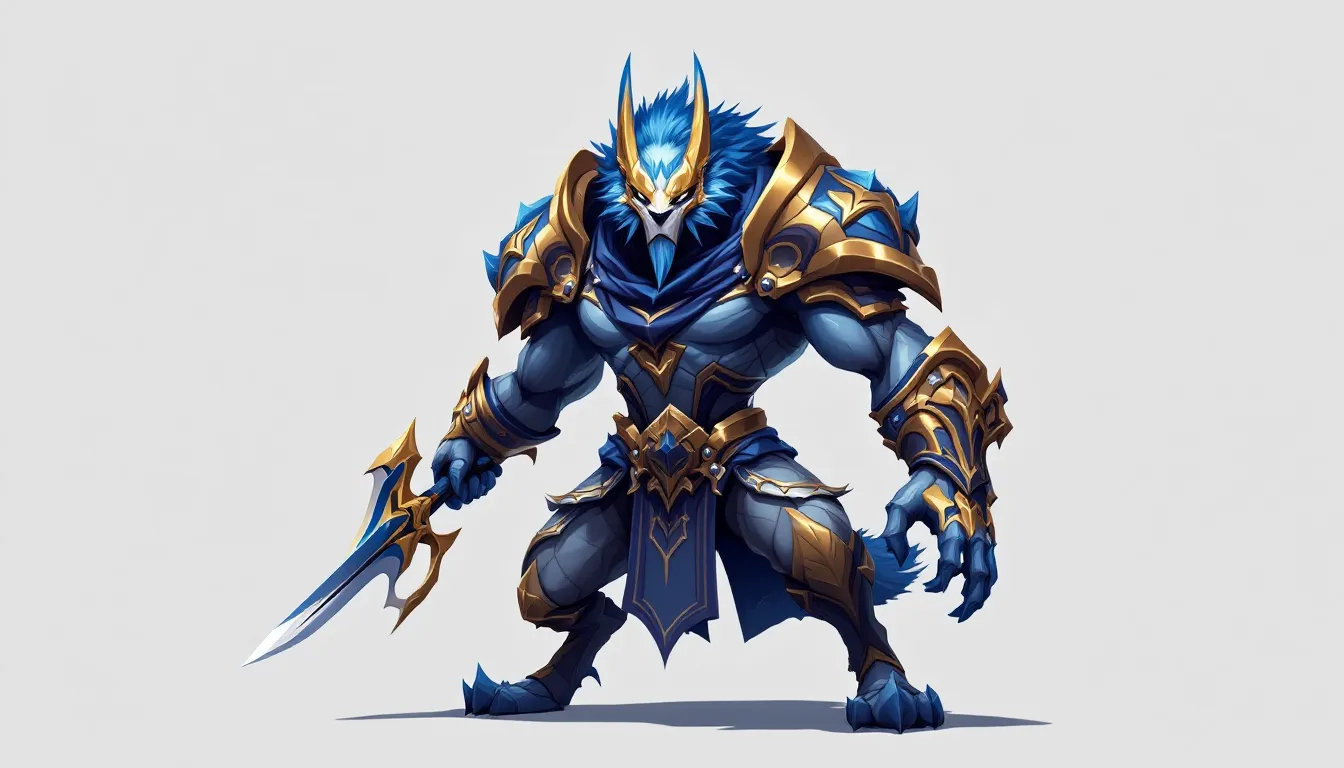
Nasus stands as one of the oldest champions in League of Legends, designed around the fantasy of an ancient warrior growing stronger with each soul he claims. Mechanically, that translates to Siphoning Strike, his Q ability, a straightforward melee attack that permanently stacks attack damage whenever it kills a unit or champion. By late game, a well-farmed Nasus can have 500+ bonus AD, turning him into a stat-check nightmare that most teams can’t answer.
His kit is minimalist by modern standards. Spirit Fire (E) damages and lowers armor in an area. Wither (W) is his only real defensive tool, a slow that ramps up to 95% movement speed reduction at max rank. Ascension (R) grants temporary AD, tankiness, and size. That’s it. No dashes, no shields, no flashy mechanics. This simplicity is why Nasus teaches fundamentals better than almost any top laner, your success depends almost entirely on wave management, positioning, and macro game knowledge, not mechanical outplay potential.
Playstyle and Strengths
Nasus excels in games where he gets time to farm safely and scale into a win condition. His strengths are straightforward:
- Infinite scaling through Q stacks makes him exponentially stronger as the game progresses. Unlike champions who cap out, Nasus simply gets bigger and deadlier every wave.
- 1v1 dominance against most champions once he hits two items and has adequate stacks (usually 400+). His raw damage and Wither slow make dueling him a losing proposition.
- Split push pressure that forces enemies to collapse on him, creating opportunities for his team elsewhere on the map.
- Late-game teamfight impact when properly positioned, one Wither on the enemy ADC can disable them entirely while Nasus barrels through the enemy front line.
The trade-off? Early weakness and team-reliance. Nasus before two items is genuinely vulnerable. He has no escape mechanics, limited CC besides the slow, and zero burst damage. Early ganks, aggressive laners, and coordinated team pressure can completely derail his scaling. Playing Nasus requires patience and trust that your team can hold while you farm. He’s not a champion for auto-pilot gaming or early aggression: he demands calculated macro moves.
Optimal Builds and Item Choices
Early Game Core Items
Your first two items set the tone for your entire game. The standard build path remains the most reliable:
- Sheen (component) → Trinity Force – Nasus’s primary power spike. The spellblade effect converts his massive AD into on-hit damage on his Q, multiplying his trading and farming power. Movement speed from Trinity helps kite away from danger.
- Plated Steelcaps or Mercury’s Treads – Boots choice depends on enemy team composition. Against AD-heavy comps or champs like Darius, Steelcaps cut their effective damage significantly. Against AP or heavy CC, Merc’s Treads are non-negotiable.
The third item branches based on game state:
- If ahead and enemies are all-in on AD: Kaenic Rookern provides anti-heal and magic resist in one slot, invaluable against sustain-heavy matchups.
- If even/slightly behind: Hollow Radiance gives flat HP and armor with an aura that reduces nearby enemy damage, defensive without sacrificing presence.
- If you need raw damage: Manamune was reworked in recent seasons but can still work as a split-push amplifier if you’re stomping.
A typical mid-game build looks like: Trinity Force, Steelcaps/Merc’s Treads, Kaenic Rookern/Hollow Radiance, plus a fourth item slot.
Late Game Scaling and Power Spikes
Your power spikes hit hardest at these thresholds:
- Two items (~15 minutes): You can reliably 1v1 most top laners. Your Q damage combined with Trinity and boots lets you quickly clear waves and bully squishy enemies.
- Three items (~22 minutes): You become genuinely unkillable in a sidelane unless enemies send 3+ people. At this point, your stacks should be 400-500+.
- Four+ items (~28+ minutes): Stat-check city. If you’ve farmed properly, no single enemy champion beats you in extended combat.
For late-game slots, prioritize based on enemy team:
- Force of Nature if enemies have heavy magic damage (Liandry’s abusers, mage supports).
- Thornmail if they have multiple auto-attackers or heavy lifesteal (ADC + Bruiser duos).
- Randuin’s Omen if facing crit ADCs, the crit damage reduction and active slow combo with your Wither for lockdown.
- Adaptive Helm for dot-heavy teams or consistent magic damage from multiple sources.
Avoid stacking too much defensive stats, your damage is your defense. An enemy that can’t kill you AND gets deleted by your Q is FAR scarier than one you just trade hits with.
Situational Items and Defensive Options
When standard builds don’t cut it, pivot intelligently:
- Maw of Malmortius – If you’re facing a full AP team and have AD items already. Grants AD and shields you against burst.
- Spirit Visage – Cheaper magic resist with healing amplification. Synergizes with any lifesteal you’ve itemized (rare for Nasus, but worth knowing).
- Frozen Heart – Armor + mana + an aura that slows enemy attack speed. Underrated against AD-heavy teams that stack champions near you.
- Abyssal Mask – Magic resist + health with a passive that amplifies your team’s damage to enemies you damage. Weird pick but viable in team-fight focused games.
The key principle: defensive items should provide stats that amplify your role. If you’re going pure tank items, you’re not playing Nasus correctly, you’re playing Ornn. Defensive choices should either scale with AD/Attack Speed or cut enemy effective damage directly (armor, magic resist, healing reduction).
Rune Pages and Summoner Spells
Primary and Secondary Rune Selections
Nasus’s rune page has standardized significantly in recent patches. The meta page in 2026 is:
Primary Tree: Precision
- Grasp of the Undying – The keystone. Proc it on minions for sustain and a small AD boost to your Q. In extended trades, Grasp healing keeps you in lane significantly longer than enemies expect.
- Demolish – Snowballs your split push. Tower plating gold + the passive damage ramps up fast, especially mid-game when you’re grouping for objectives.
- Conditioning or Second Wind – Conditional. Against poke-heavy lanes (Teemo, Karma), Second Wind mitigates chip damage. Against all-in comps, Conditioning’s flat resistances help once you’re finished stacking.
- Overgrowth – Scaling health synergizes perfectly with late-game tank itemization. 3% max health from minion kills adds up, you hit 5K HP faster than you’d expect.
Secondary Tree: Resolve
- Demolish is already taken, so grab Unflinching or Bone Plating.
- Unflinching reduces the effectiveness of CC on you, directly counters Wither from enemy Nasus or slows from Kiting champions.
- Bone Plating is superior against burst-focused matchups (Darius, Gankplank) where you need the early absorb shield.
Alternatively, if your team is CC-heavy or you’re into AP-scaling matchups, flip to Conditioning + Overgrowth in Resolve primary and Triumph + Alacrity in Precision secondary. This sacrifices early trading but hyperscales your tankiness.
Best Summoner Spells for Different Matchups
Teleport is your default. It’s the split-push enabler, roams back to lane instantly after bases or rotates to teamfights when needed. Absolutely mandatory in any game where your win condition is side lane pressure.
Flash is the alternative only in games where you’re facing extreme all-in pressure early. Against Darius, Illaoi, or Fiora, Flash lets you reposition during all-ins or escape ganks that Teleport wouldn’t. Pick Flash only if enemies have early win-condition champions and your team can’t provide sufficient jungle support.
Smite is trolling. Never do it.
Stick with Teleport in 95% of games. It’s the spell that amplifies Nasus’s strengths, split push pressure, macro flexibility, late-game presence.
Laning Phase: Early Game Strategy
Minion Wave Management and CS Prioritization
Nasus lives or dies by CS. Your primary job in lane is farming stacks, period. Nothing else matters in the opening 10 minutes except:
- Last-hitting creeps to gain Q stacks. Each kill on a minion grants +1 stack. That’s the entire economy of the early game, stacks directly translate to late-game AD.
- Prioritizing siege minions and cannons. Cannon minions grant +5 stacks (worth 5 normal minions in terms of value). Siege minions grant +3 stacks. Farm these when enemies aren’t threatening a turret dive.
- Wave state awareness. If the wave is pushing toward your turret, let it crash naturally and base after. If it’s pushing enemy-side, walk up safely and reset it by pushing back. Never greed for stacks if you’re low HP and enemies are nearby.
Target first: 50 stacks by 10 minutes, 200 stacks by 15 minutes, 400+ stacks by 25 minutes. If you’re tracking behind on these benchmarks, your scaling is compromised, you become a useless tank instead of a threat.
Wave management example: Enemy top laner crashes a wave into your tower. Let it die, reset, then slowly push back out. Your jungler can set up a gank once the wave resets to river. This is safer than constant aggressive pushing and feeds the same amount of stacks.
Trading Stance and Harass Patterns
Trade only when enemies misstep. Nasus isn’t a lane bully early, he’s a retaliation champion. When enemies overextend or waste cooldowns, that’s your window:
- After enemy Q/main ability cooldown – If enemy Darius lands his Q and misses, he’s vulnerable for the next 8 seconds. Trade hard in that window.
- When they’re CS-ing – If the enemy laner is focused on farming a cannon, they’re briefly immobilized. Land a Q and follow up with E if safe.
- If you have Grasp available – Prioritize proccing Grasp on minions in front of the enemy, forcing trades on your terms while you sustain.
Trading patterns to avoid:
- Trading when the enemy jungler is missing from the map. If you don’t know where they are, assume they’re coming to gank you.
- All-in trades before you have sustain items. Nasus doesn’t have burst early: prolonged fights favor whoever has items, not skill.
- Trading near enemy turrets unless you have a significant health advantage. One gank and you’re dead.
Default stance: Farm safely. React to enemy mistakes. Don’t initiate trades unless enemies force them or you have clear advantages (item advantage, jungler presence).
Handling Difficult Matchups
Some matchups are genuinely rough. The worst include:
- Darius – He outrages you early and has stronger all-in potential. Play around his Q cooldown (24 sec early game). Position outside his swing range while farming, and only trade after his Q lands.
- Fiora – She duels you harder and can parry your Q point-blank, wasting your stack. Play for ganks and avoid 1v1 trades. Lean on your team for pressure.
- Illaoi – Her tentacles zone you from creeps. Avoid standing near walls or barrel spots. Let her push and crash waves into your tower, farming safely under turret still gives stacks.
- Teemo – He pokes you endlessly. Prioritize Second Wind rune and sustain items early. The matchup becomes irrelevant once you have Trinity + Kaenic, so just survive lane.
- Gankplank – Similar to Teemo but with more spike windows. Bone Plating helps absorb his Q poke. Respect his ultimate zoning and farm when it’s down.
General rule for terrible matchups: Don’t die. If the matchup is unwinnable early, your job is to not feed stacks and minimize deaths. As long as you hit your CS benchmarks and avoid deaths, you outscale, period. A 0/0/0 Nasus with 400 stacks will beat a 3/0/0 enemy top laner with 50 stacks every single time. Survive lane, scale, win.
Ability Rotation and Skill Combinations
Leveling Priority and Skill Upgrade Order
Your leveling is non-negotiable:
- Q (Siphoning Strike) – Max this first. Every point increases bonus AD per stack (1.67 → 2.67 AD per point), making your farming and dueling exponentially better. Max at level 9.
- W (Wither) – Level this second, prioritizing at level 2 for the slow, then maxing last (level 16). Early ranks give enough slow to kite. Late rank mostly adds duration.
- E (Spirit Fire) – Level this third, taking one point early (level 4) for waveclear and trading, then maxing at level 13.
- R (Ascension) – Take your ultimate at levels 6, 11, and 16 as available.
Level order example:
- Levels 1-4: Q, W, Q, E
- Levels 5-9: Q, R (level 6), Q, Q, Q
- Levels 10-16: W, W, W, W, R (level 11), W, R (level 16)
- Levels 13+: E to max
This ensures your primary damage and scaling come online fast while your utility (Wither) gets enough ranks to function, then maxes later when you don’t need the extra ranks as urgently.
Combo Execution and Damage Rotation
Nasus doesn’t have flashy combos. His damage rotation is:
Standard all-in (against squishy enemies):
- Walk up and land Q on them or a minion nearby.
- Immediately activate Wither to prevent them kiting away.
- Follow up with E to amplify your next Q and lower their armor.
- Auto-attack into another Q if cooldown is up.
At level 6+, add:
- R before engaging if you want guaranteed burst and tankiness. Your Q procs on towers and structures while Ascended, so you can also use R to turret-stack faster.
- R mid-fight if enemies are CC-ing you or burst is incoming. The extra AD turns one Q from lethal to overkill.
Damage priority in fights:
- Q any champion foolish enough to be in range. This is your primary damage source and highest priority.
- Wither the highest-priority auto-attacker (ADC or DPS champ). A 95% slowed enemy can’t kite and can’t damage you effectively.
- E in teamfights only if you’re surrounded by multiple enemies and need the armor reduction. In 1v1s, skip it, just Q and Wither.
Timing Wither correctly wins or loses games. Use it on the enemy champion dealing the most damage, not for chasing kills. A Wither on enemy ADC means that champion is disabled from the teamfight. This is more valuable than an extra Q on the support.
Mid to Late Game Transitions
Split Pushing vs Teamfighting
Your role shifts dramatically post-15 minutes. By 20 minutes, you’re transitioning from pure laner to win condition. The decision between split pushing and teamfighting depends on:
Split push if:
- Your team is relatively even or ahead elsewhere on the map. You create a 4v4 scenario where your team’s strength doesn’t rely on you.
- You have adequate stacks (300+) and two finished items. You’re strong enough to 1v2 or punish enemies who send one person to deal with you.
- The enemy team has weak waveclear. Once you push a wave, it takes time to respond, forcing rotations that leave objectives undefended.
- Your team can stall or gain objectives (jungle camps, turrets) while enemies deal with you.
Teamfight if:
- Your team is heavily behind and needs your tankiness/damage to contest teamfights. Splitting in a losing position throws the game.
- Enemies are grouping for a crucial objective (Baron, Elder Dragon, late-game teamfight). Splitting wastes your presence.
- You’re absurdly ahead (5+ items, 600+ stacks) and enemies literally can’t survive your engagement. You become the teamfight’s focal point.
- Your team has heavy engage tools (Malphite ult, Yone engage) that need you as follow-up.
Typical pattern: Split push in mid-game while enemies farm. Once Baron/Elder spawns, converge to defend or contest the objective. Use your split lane pressure to create map advantage.
Stacking Strategy and Scaling Awareness
Stack farming is the entirety of your win condition. Adjust your playstyle based on stack progression:
If behind on stacks (<150 at 15 min):
- Prioritize farming over teamfighting. Tell your team you need 5 more minutes.
- Avoid unnecessary fights. Every death is a missed minion wave and stacks.
- Focus on catching side lanes and jungle camps (Krugs, Raptors) for safe stacking.
If on pace (200+ stacks at 15 min, 400+ at 25 min):
- Balance split pushing with team presence. Rotate to defend turrets and objectives while farming safe waves.
- Your power spike is hitting on time. Start looking for opportunities to duel enemies.
If ahead on stacks (300+ at 15 min, 500+ at 25 min):
- You’re a raid boss. Use your dominance to dictate map pressure.
- Push enemies back from objectives using pure stat advantage.
- Consider grouping early to end games faster, your scaling is already secured.
Farm awareness tip: Track your stack count obsessively. If you’re at 350 stacks at 22 minutes and the enemy ADC has 5 kills, you’re scaling into a point where you delete that ADC in one rotation. Don’t panic: your stacks are your security blanket. The game naturally shifts in your favor the longer it goes.
Common Mistakes to Avoid
Positioning Errors and Overextension
Nasus’s lack of mobility makes positioning mistakes extremely punishing. Common errors:
Overextending without vision – Pushing a side lane without knowing enemy jungler location is a death trap. Nasus can’t kite fast enemies with mobility. Always have at least one ward covering jungle entrances when split pushing.
Standing in the middle of teamfights – Nasus is effective at the EDGES of teamfights, peeling for teammates or chasing enemies. Charging into 5 enemies with no protection gets you instantly deleted by coordinated teams. Stay on the perimeter, land Withers, and scale threats gradually.
Trading all your HP for stacks – Getting 10 stacks isn’t worth dropping to 30% HP. If you can’t safely farm a minion without eating damage, skip it. Alive and underfarmed beats dead with a few extra stacks.
Not respecting enemy cooldowns – If enemy Darius or Aatrox just used their main engage, they’re vulnerable for seconds. Conversely, if their abilities are up and you’re low HP, you’re dead to a gank. Track enemy CDs mentally.
Poor Stack Management and Objective Timing
Stack management mistakes that cost games:
Farming stacks when objectives are happening – If Baron’s spawning and enemies are grouping for it, you MUST group. One lost teamfight means you lose both Baron AND the map. No amount of stacks compensates for a 0-5 teamfight where enemies get Baron.
Using Q on towers too early – Your Q one-shots structures late game. Early game, your Q damage is low. Don’t waste Q on a tower that’s already dying: use it on minions to stack safely.
Neglecting jungle camps because “waves are better” – Mid-game, Krugs, Raptors, and Wolves are gold and stacks-per-minute. A full jungle clear while your team rotates is often better than one more lane wave. Optimize farm routes.
Not resetting after Baron takes – If your team takes Baron, you have a 3-minute window before the next major objective. Use this to farm jungle camps, push a sidelane, and reset gold/health at base. Don’t idle mid-lane waiting for enemies.
Fighting during crucial farm windows – The 30-second window before your opponent comes to defend a shoved wave is free stacks. If enemies force a fight during this time, ignore it and farm. Your team scales: they need you alive and ahead, not fighting pointless skirmishes.
Counter Matchups and How to Handle Them
Top Threats and Unfavorable Matchups
While Nasus scales into most matchups, certain champions hard-counter him early and mid-game:
Darius – Outrages you, has better all-in, and his bleed invalidates your tankiness. His passive AD scaling also means both of you benefit from the long game, but he’s stronger 1v1 until you hit 500+ stacks.
Fiora – She duels you harder and can parry your primary damage source (Q). Her mobility also lets her kite your Wither. Late game, she still threatens you 1v1 because her true damage scales with your max HP.
Illaoi – She has superior waveclear, zone control with tentacles, and can outrange your Q. Her sustain also matches yours. If she lands an E (Testament) on you, she wins extended trades.
Quinn – Mobile, ranged, and designed to roam. Her burst and kite potential create an early advantage that’s hard to overcome. She also transitions into a support role, reducing your importance.
Gankplank – His barrels zone you from waves. His ultimate prevents teamfight engagement and his mixed damage (physical + magical) isn’t easily itemized against early. He also scales infinitely like you do.
Maokai – Recent buffs made him a lane bully with superior trading patterns. His CC also prevents you from full-committing to fights.
Adaptation Tactics and Survival Techniques
Playing into hard counters requires tactical flexibility:
Against Darius:
- Respect his Q range and don’t stand in his arm’s swing (his Q hitbox is wider than it appears).
- Trade after his Q lands and is on cooldown. He’s most vulnerable at 24 sec cooldown early.
- Prioritize Second Wind + Bone Plating runes for sustain and trading efficiency.
- If you take a 5-stack bleed, back off and let it fall off. His bleed damage amps future damage, don’t compound it.
- Scale patiently. Post-25 minutes with proper items, you 1v1 him easily.
Against Fiora:
- Don’t Q her when she’s in range and looking for a duel. Bait out her parry on minions, then trade on champions.
- Play for ganks and team fights where her 1v1 advantage is reduced by numbers.
- Wither her immediately if she commits to all-in. Her dueling is based on kiting: prevent it.
- Prioritize tankiness items (Hollow Radiance, Force of Nature) that reduce true damage impact relative to your total HP.
Against Illaoi:
- Respect tentacle zones and don’t fight near walls or her barrels.
- If she lands an E on you, walk away from the tentacles instead of fighting. Her E damage scales with your max HP, the more you brawl, the stronger she gets.
- Let her push waves into your tower and farm safely. Her waveclear is only good if she’s hitting you: farm under turret.
- Avoid overextending. Illaoi wins extended fights in her zone: kite to the river and reset.
Against Quinn:
- Trading her directly is pointless early. She outdamages you at range.
- Call for jungle assistance immediately. Quinn is squishy and immobile once her E is down.
- Play around bushes and stay out of her sight lines. Her passive reveals are problematic.
- Once you have two items, she becomes less relevant if she roams frequently.
General adaptation principle:
Research counter matchups in advance, coordinate with your jungler for early ganks, prioritize defensive runes (Second Wind, Bone Plating) in rough lanes, and accept that some games you’re not the primary win condition, play to enable your team instead.
Conclusion
Nasus remains one of League of Legends’ most rewarding champions to master, but only if you commit to understanding his scaling pattern and macro requirements. He’s not a forgiving pick, you can’t autopilot, face-check, or greed for stacks without consequences. He’s also not a complex champion mechanically, which is exactly his strength. The complexity lies in game knowledge: knowing when to farm versus group, how to leverage split push pressure while maintaining team presence, and understanding matchup windows where you have agency.
The 2026 meta continues favoring extended games where scaling matters. Top-lane split pushers, particularly Nasus, create map pressure that forces teams to make decisions. Make those decisions count by hitting your stack benchmarks, respecting your matchups, and capitalizing on the exponential power growth that makes the Eternal Hound tick. Reference competitive gaming guides and tier lists to stay updated on meta shifts, check LoL Esports to see how professional players leverage Nasus in high-level play, and explore game walkthroughs and build guides for additional strategy perspectives.
Mastery of Nasus separates patient players who understand macro fundamentals from those who chase kills and wonder why they’re stuck. Play the long game, stack obsessively, scale responsibly, and let your opponents realize too late that they’ve already lost.