
Table of Contents
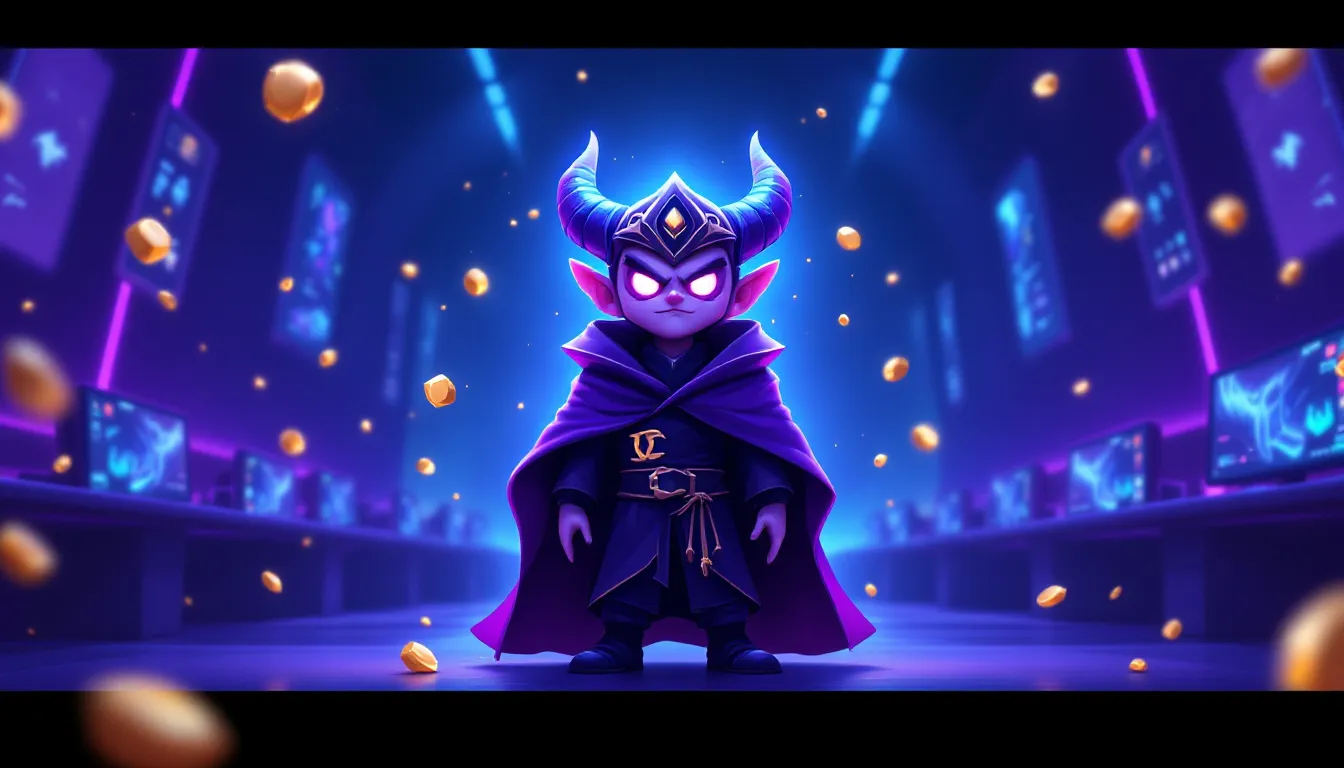
ToggleVeigar might be the smallest champion in League of Legends, but his impact in the mid lane is anything but diminutive. The Tiny Master of Evil has been a staple pick for players who want to exploit enemy positioning and scale into an unkillable late-game carry. Whether you’re climbing the ranked ladder or looking to expand your champion pool, understanding Veigar’s mechanics and itemization can be the difference between inting your team fights and carrying your games hard. This guide covers everything you need to know about playing Veigar in 2026, from early laning fundamentals to late-game combo execution. We’ll jump into rune setups, item builds, matchup strategies, and common mistakes that hold players back. By the end, you’ll have a concrete framework for piloting this devilish control mage to victory.
Key Takeaways
- Veigar League of Legends success is built on patient farming and late-game scaling, not early aggression—aim for 5+ CS per minute and survive the laning phase to transform into an unkillable teamfight carry.
- Event Horizon placement is critical; use this stun defensively to cage fleeing enemies and peel for your team rather than speculatively throwing it into empty space.
- Build Liandry’s Torment as your mythic item paired with Cosmic Drive and Zhonya’s Hourglass to secure the health, ability haste, and survivability needed to execute your combos safely.
- Veigar’s passive grants permanent ability power on spell hits—focus on efficient farming with Baleful Strike and Dark Matter to scale infinitely while staying positioned far behind your frontline in teamfights.
- Against mobile champions and assassins, prioritize Zhonya’s Hourglass early and position near terrain to restrict their approach angles, trading early aggression for survival until your power spike.
- Master Event Horizon timing by predicting enemy movement and blocking escape routes with your cage, then immediately chain Baleful Strike and Dark Matter onto stunned targets for guaranteed damage.
Who Is Veigar And Why Play Him
Champion Identity And Playstyle
Veigar is a control mage who thrives on shutting down enemy movement and scaling infinitely through Phenomenal Evil Power, his passive ability. Every time he lands a spell on an enemy champion, he gains permanent ability power, this mechanic is core to his identity and why he feels genuinely rewarding to master. Unlike other mages, Veigar doesn’t need to snowball kills early to become relevant: smart farming and consistent spell rotation naturally transforms him into a late-game monster.
His kit revolves around crowd control and burst damage. Event Horizon is a long-range stun that creates a cage around enemy champions, making it one of the most powerful tools in teamfights. Dark Matter falls from the sky dealing AoE damage, while Baleful Strike is his primary farming tool and the ability that procs his passive. His ultimate, Primordial Burst, scales off both his own AP and the enemy’s AP, making it devastating against other AP champions and a reliable execute in fights.
The playstyle is methodical but explosive. Early game is about farming safely and poking when opportunities arise. Mid game shifts toward objective control, Veigar becomes a zoning tool that forces enemies to respect his crowd control. Late game is where things get chaotic: one well-placed Event Horizon can lock down the entire enemy team, giving your carries free rain to dish out damage.
Strengths And Weaknesses
Strengths:
- Infinite scaling: Veigar’s passive means he becomes progressively harder to kill and more dangerous as the game extends.
- Unmatched teamfight control: A well-timed Event Horizon can turn fights instantly. The ability to create a barrier that stuns enemies on exit is unparalleled for control.
- Excellent waveclear: Dark Matter and Baleful Strike make clearing waves trivial after you hit your power spike.
- Safe laning: He can farm from range without exposing himself to excessive danger.
- High skill ceiling: Veigar rewards mechanical precision and game knowledge. Smart positioning and combo timing separate good Veigar players from great ones.
Weaknesses:
- Vulnerable early game: Before you complete your first two items, you’re relatively squishy and vulnerable to aggressive all-ins.
- Susceptible to mobility: Champions like Zed, Ahri, and Yasuo can dash out of Event Horizon, minimizing your primary strength.
- Immobile: You have no dashes, jumps, or movement abilities outside of the brief slow from spells. Once you’re caught, you’re in trouble.
- Mana-dependent: Before you build mana items, your spell rotation can drain your mana pool quickly, forcing awkward recalls.
- Reliant on hitting skillshots: Missing Event Horizon leaves you vulnerable for several seconds. Against experienced opponents, they’ll punish this.
Playing Veigar demands patience and precision, but the payoff is a champion who can lock down entire teams and one-shot priority targets.
Optimal Rune And Item Builds
Primary Rune Setups
Precision Primary (Most Common in 2026):
The standard Veigar setup uses Aery or Comet in Sorcery, but many high-elo players are pivoting toward First Strike in Precision paired with Precision secondary. Here’s the breakdown:
- Keystone: Aery provides survivability and consistent poke damage early. Comet is stronger if you’re confident in your skillshot accuracy. First Strike (from Precision) gives gold efficiency and bonus damage, scaling beautifully into the mid game.
- Primary Tree: If using Aery/Comet, go Sorcery with Manaflow Band (essential for mana sustain) and Celerity or Absolute Focus for early damage.
- Secondary Tree: Precision with Presence of Mind and Cut Down or Last Stand. Presence of Mind solves mana issues completely, and Cut Down punishes tanks.
Resolve Secondary (Into Heavy CC Comps):
Against teams with multiple crowd control sources, swap your secondary to Resolve. Take Font of Life and Conditioning (or Second Wind for sustain). This setup trades some offensive pressure for survivability, a worthwhile trade when you’re facing Leona, Lissandra, and Thresh.
Specific Matchup Adjustments:
- Against AD assassins (Zed, Talon): Consider Shield Bash in Resolve if you’re taking Aery.
- Against poke-heavy mages (Xerath, Lux): Prioritize Manaflow Band and grab extra sustain runes.
- Against tanky comps: First Strike becomes even more valuable because you’re already sacrificing some burst.
Core Items And Build Paths
Mythic Item Priority:
Liandry’s Torment is the standard mythic for Veigar in 2026. The ability haste, health, and mpen make it invaluable. It amplifies your damage against tankier comps and ensures you’re always casting spells. Luden’s Tempest is viable into squishy, mobile teams where you want maximum burst, but Liandry’s provides better flexibility.
Recommended Build Path (vs Standard Comps):
- Liandry’s Torment (first item)
- Sorcerer’s Shoes (mobility and mpen, complete early)
- Cosmic Drive (ability haste and movement speed, critical second item)
- Zhonya’s Hourglass (safety tool for teamfights)
- Deathcap Rabadon (scaling bomb, fourth item)
- Void Staff (mpen to shred enemies with high MR)
Defensive Build (Into Heavy Burst):
Swap Cosmic Drive for Abyssal Mask second to add tankiness and reduce incoming magic damage. Your combo still one-shots squishies, but now you survive the initial teamfight chaos.
Aggressive Build (Into Squishy Teams):
If enemies have minimal defensive options, rush Shadowflame third instead of Zhonya’s. The pen and penetration bonus amplify your burst significantly. Only do this if you’re confident in your positioning.
Item Timing Notes:
- Always complete boots by 10 minutes. The mobility matters more than rushing mythic damage.
- Zhonya’s is non-negotiable in most games. The hourglass lets you survive enemy focus and reposition after landing your combo.
- Void Staff becomes necessary once enemies build any meaningful MR (roughly 100+). Don’t skip it just to speed up Deathcap.
The core philosophy is simple: health, ability haste, and pen. Veigar needs these three elements to function properly. Everything else is flex.
Laning Phase Strategy And Fundamentals
Early Game Positioning And Farming
The opening 15 minutes define Veigar’s mid-game strength. Your job is to maximize CS while minimizing risk. Here’s the framework:
Minion Wave Management:
Baleful Strike is your primary farming tool, it has a short cooldown and deals bonus damage to minions. In the first few waves, only last-hit with auto-attacks when Baleful Strike is on cooldown. Don’t spam spells unnecessarily: your early mana pool is limited. By wave 4-5, you’ll have enough mana sustain (especially with Manaflow Band) to last-hit every minion with spells.
Focus on hitting 50 CS by 10 minutes and 100 CS by 15 minutes. These benchmarks are achievable for Veigar because of his waveclear. If you’re consistently falling short, you’re either trading too much or farming inefficiently.
Positioning:
Stay near the back of your minion wave. Veigar’s lack of mobility means you want maximum distance from enemy champions. Position yourself so that if the enemy all-ins, you have time to cast Event Horizon or retreat toward your tower. Overextending is a common early mistake, getting ganked or caught by enemy jungler pressure snowballs enemies hard.
Ward your lane tri-bush or river at 3 minutes to spot incoming ganks. Place your ward where you have the most reaction time, usually the river entrance closest to your lane.
Poking And Pressure:
Use Dark Matter for poke when enemies position too far forward. Land one cast every 12-15 seconds without overcommitting. If you land multiple Dark Matter hits, you can follow up with Baleful Strike as enemies back off. Never go all-in early unless your jungler is nearby: early trades should whittle enemies down, not commit you to a duel.
Trading And Harassing Enemies
Poke Combo (Safe, Repeatable):
Wait for enemies to position aggressively. Cast Dark Matter where they’re standing and follow up with Baleful Strike if they stick around. This combo costs minimal mana and deals consistent damage without forcing you into danger.
All-In Combo (Commitment Required):
When enemies are low on HP (below 40%) or mispositioned, go for the kill:
- Event Horizon on their position (lock them down)
- Baleful Strike + Dark Matter immediately after
- Primordial Burst if they’re still alive
This full rotation deals massive burst and grants you a kill if they’re isolated. Only execute this when you’re confident, missing Event Horizon leaves you exposed.
Trading Against Specific Types:
- Ranged poke mages (Xerath, Lux): Match their poke damage but don’t engage all-in. Use your crowd control to zone them from their optimal positions.
- Assassins (Zed, Akali): Play far back and use Event Horizon defensively when they go for all-ins. Trade when they’re on cooldown.
- Tanky mages (Malzahar, Anivia): Focus on landing Dark Matter and poking repeatedly. Avoid all-ins before you have meaningful AP.
When To Back:
Base when you have 900+ gold (complete Liandry’s first component) or when mana depletes significantly. Don’t base at random intervals, synchronize backs with minion waves so you don’t miss CS. If enemies have just backed, you have a 40-second window to farm safely.
Early game is about consistency over flashiness. Boring Veigar gameplay, farm, poke, scale, wins more games than aggressive early plays.
Mid And Late Game Mechanics
Teamfighting And Event Control
Once you hit your two-item power spike (Liandry’s + Cosmic Drive), Veigar transforms into a teamfight kingpin. Your role shifts from farming to controlling space.
Teamfight Positioning:
Stay 800-1000 units behind your frontline. This distance allows you to cast Event Horizon across fights without being in immediate danger. If enemies have mobile assassins (Zed, Talon), position even deeper, near walls or terrain that restricts their approach angles.
Facing a 5v5? Don’t initiate unless your team is already committed. Let your engage tool (Support’s hook, Top’s engage) start the fight, then immediately place Event Horizon to trap fleeing enemies or lock down their carries.
Event Horizon Placement Fundamentals:
Event Horizon is a circle with a 2.5-second delay before it stuns. Enemies inside the circle at detonation get stunned if they try to leave. Here’s how to land it consistently:
- Predict movement: Cast it slightly ahead of where enemies are moving, accounting for their pathing.
- Block escape routes: Place the cage between enemies and their fountain/safety. They’re forced to walk through the stun.
- Use terrain: Walls naturally limit enemy movements, making cages easier to land. Always abuse this.
- Combo immediately: The moment the cage detonates, chain Dark Matter and Baleful Strike onto stunned targets. They can’t move, making landing spells trivial.
Peel Scenarios:
If enemies jump your carry, use Event Horizon around your ADC to protect them, not your own position. A well-placed cage buys your team precious seconds to eliminate threats. This is selfless gameplay that wins teamfights.
Ultimate Usage And Combo Execution
Primordial Burst is a simple ability conceptually, fire a bolt at enemies, but its damage scaling makes execution critical.
Damage Formula Context:
Your ultimate deals damage based on your AP plus the enemy’s AP. Against enemy AP champions, Primordial Burst is your primary execution tool. Against AD champions, it still hurts, but it’s less devastating.
Optimal Usage Patterns:
Against priority AP targets (enemy mid laner, support with AP items): Save your ultimate for them. Land Event Horizon first, then burst them with Baleful Strike + Dark Matter + Primordial Burst. A combination of your abilities and their own AP often results in instant elimination.
Against squishy AD carries (ADC, AD assassins): Use your ultimate as a finisher after they’re whittled down by poke. It guarantees the kill without needing to commit resources.
As a teamfight zoning tool: Cast it on clumped enemies to force them to scatter. Even if it doesn’t kill, the threat of burst makes enemies respect your positioning.
Full Rotation Execution (Standard Teamfight):
- Event Horizon on grouped enemies (initiates the combo)
- Wait 2.5 seconds for cage detonation while enemies are stunned
- Baleful Strike on highest-threat target
- Dark Matter overlapping with Baleful Strike for max damage
- Primordial Burst on lowest-HP target or high-priority threat
This five-step sequence kills most squishy champions outright. Against tankier enemies, you might repeat steps 3-4 before using your ultimate.
Mana Management in Prolonged Fights:
Veigar’s mana pool doesn’t support infinite spell rotations. In extended teamfights lasting longer than 10 seconds, prioritize your highest-damage spells: Baleful Strike and Primordial Burst. Skip Dark Matter if you’re low on mana: it has the lowest damage-to-mana ratio. Your Zhonya’s Hourglass also provides breathing room, pop it after your combo goes off, let cooldowns reset, then go again.
Matchups And Counterplay
Favorable And Difficult Matchups
Easy Matchups (Veigar favored):
Lissandra, Malzahar, Anivia: These immobile control mages struggle against Veigar’s range and stun. You can position safely, poke with Dark Matter, and outscale them. Land Event Horizon when they overextend and they’re dead.
Ryze, Corki, Kassadin: All three have medium-range expectations. Veigar’s longer range lets you kite backwards and cage them when they approach. Your scaling also outpaces theirs.
Support matchups (Vel’Koz, Brand, Zyra): Mid-lane supports are generally squishy. One good Event Horizon engagement ends them. Pressure relentlessly.
Difficult Matchups (Veigar disfavored):
Zed: His mobility trivializes Event Horizon. He can all-in from range before you’re ready. Solution: Play far back, use Event Horizon defensively, build Zhonya’s early.
Akali: Her dash, stealth, and burst are nightmarish. She can close distance, burst you, and escape before Event Horizon resolves. Solution: Play near tower, position by walls to limit her angle, camp under tower until you have Zhonya’s.
Ahri: Similar to Zed, her mobility makes landing Event Horizon difficult. Her burst also outclasses yours early. Solution: Respect her range, poke with Dark Matter, wait for mid-game when you have items.
Talon: He can roam faster than you and dominate sidelanes. His mobility also lets him dodge Event Horizon. Solution: Play safe, ping roams aggressively, focus on farming. Talon falls off late game if he doesn’t snowball.
Yasuo: The windwall blocks your damage and he has high mobility. Early game is miserable. Solution: Focus on farming safely, avoid all-ins, outscale him massively. Late game, position him away from your carries so you can cage him reliably.
How To Handle Counters
Core Strategy Against Difficult Matchups:
The unspoken Veigar philosophy is simple: you don’t need to kill them early: you just need to survive to mid-game. Once you have 2-3 items, you’re more useful than they are in teamfights.
Specific Counter Responses:
Against mobile champions: Build Zhonya’s as your second defensive item (or third after Cosmic Drive). The hourglass lets you survive their all-in attempts. Also, position near walls and terrain that restrict their mobility options. A Zed can’t effectively navigate a cluttered area.
Against assassins: Play under tower until you spike. Ward your lane extensively, pink ward tri-brush and river. Communicate with your jungler so they can counter-gank. Assassins thrive in isolation: neutralize that advantage.
Against poke-heavy matchups (Xerath, Lux, Vel’Koz): Build early MR through items like Abyssal Mask instead of pure damage. Yes, you’ll do less burst, but survival > damage when you’re getting poked out. Farm safely and wait for teamfights where your AOE control outvalues their poke.
Against roaming champions (Talon, Roaming supports): Spam missing (MIA) pings constantly. Push your wave when they disappear so you force them to abandon their roam or lose CS. Never chase missing enemies, let your jungler respond.
Matchup Summary:
Veigar has clear winning and losing lanes, but that doesn’t dictate outcomes. Play around your strengths (teamfights, scaling) and minimize exposures in early games. Survivor’s bias is real, players who survive early laning phases as Veigar regularly climb.
Common Mistakes And How To Avoid Them
Even experienced Veigar players fall into predictable traps. Avoiding these mistakes will immediately improve your winrate.
Mistake 1: Overcommitting Early
Veigar’s scaling is so potent that trading your health for kills early is rarely worth it. You don’t need kills, CS wins games. Many Veigar players die attempting all-ins in the first 10 minutes when they should be farming safely. Solution: Only all-in when your jungler is present or enemies are dangerously isolated.
Mistake 2: Poor Event Horizon Placement
Missing your primary crowd control ability leaves you vulnerable for 14 seconds (cooldown). Place cages reactively to trap enemies trying to flee, not speculatively in empty space. Watch enemy movement and predict where they’ll walk, then cage that path. Prediction beats guesswork.
Mistake 3: Building Damage When Behind
Too many players rush Deathcap or Shadowflame when they’re 0-2. You don’t need more damage if you’re dead. Build defensively (Zhonya’s, Abyssal Mask) and let your team catch up. Defensive items also amplify your damage indirectly by keeping you alive longer to cast spells.
Mistake 4: Neglecting Mana Management
Veigar’s mana pool feels infinite with proper itemization, but early game (before Cosmic Drive), you’re mana-gated. Don’t waste spells on meaningless poke. Farm efficiently and reserve mana for fights. Running out of mana at critical moments loses teamfights instantly.
Mistake 5: Positioning Carelessly in Grouping
Staying too close to enemies without a clear escape plan gets you caught. Veigar has no mobility, once you’re grabbed by enemy engage, you’re dead unless Zhonya’s is available. Maintain constant distance from potential threats. If enemies have a hook (Blitzcrank, Thresh, Pyke), position far enough that they can’t threaten you.
Mistake 6: Using Event Horizon Offensively Too Often
Your stun is primarily a defensive and peel tool. Throwing it aggressively at enemies who haven’t committed yet wastes the ability. Wait for enemies to overextend or engage on your team, then use cage to lock them down. Patience wins games.
Mistake 7: Forgetting Your Scaling Advantage
Late game, Veigar outscales nearly every mid laner. Stop chasing picks and risky fights at 20 minutes. Sim farm, group defensively, and leverage your superior teamfight control. Your power spike hits around 3-4 items (22-25 minutes). Most games are decided by 25 minutes, but if they extend, you become literally unkillable if you’re not caught out.
Preventative Checklist:
Before each game, remind yourself:
- “I’m safe in early game, scaling is my strength.”
- “Event Horizon is for defense and peel, not aggression.”
- “Mana management matters before Cosmic Drive.”
- “Position far from threats: mistakes cost lives.”
- “Teamfights are my domain: sidelane skirmishes are not.”
Internalizing these principles transforms Veigar from a champ that feels coin-flip into a reliable climber.
Tips For Climbing Ranked With Veigar
Veigar is a legitimate ranked carry if you understand how to leverage his strengths. Here’s how to climb with consistency.
Mental Framework:
Veigar is a scaling carry, not a playmaker. Your job is to scale and dominate teamfights, not to hard-carry early game skirmishes. Adopt a patient mindset. You win games by existing in mid game and teamfights, not by outplaying enemies mechanically. This psychological shift changes how you approach decision-making.
CS As Your Primary Metric:
Farm is the most reliable income source in solo queue. Aim for 5 CS per minute (even in losing games) as a floor and 6+ as a standard. Veigar’s waveclear makes this achievable. 100 CS by 15 minutes is realistic. Tracking CS gives you objective data on whether you’re scaling properly.
Jungler Synergy:
Your jungler is your teammate most of the time. Coordinate with them for mid-game teamfights and objective control. If your jungler is an engager (Lee Sin, Rek’Sai, Jarvan), you’re a perfect combo, they engage, you follow with Event Horizon, and enemies get deleted. Text your jungler at the start: “Come mid for teamfights, I’ll lock them down.”
Vision Control in Mid Game:
Controlling wards and vision in the 15-25 minute window is critical. Place control wards in jungle entrances near mid to deny enemy gank attempts. Move with your team to secure objectives (Drake, towers). Veigar’s crowd control makes securing objectives effortless, one good cage and enemies are forced to retreat.
Roaming Discipline:
Unlike Talon or Zed, roaming is risky for you. Your value is in mid lane, available for teamfights. Only roam if enemies are isolated (low HP, far from tower) and death is guaranteed. Prioritize farming over gambling roams. Many Veigar players get pressured into roaming and int their scaling advantage.
Pick Efficiency:
Don’t chase kills. If enemies are fleeing after a teamfight, follow your team back to objectives instead of chasing 1v4. A baron attempt or tower is worth more than a kill that leaves you vulnerable. This restraint separates good climbers from hardstuck players.
Game State Assessment:
After 20 minutes, evaluate your game state:
- Ahead: Play defensively, secure objectives, avoid unnecessary teamfights. Your lead evaporates if you die.
- Even: Scale with your team, group for fights. You outscale most opponents by 25 minutes.
- Behind: Farm safely, use Event Horizon to secure picks on isolated enemies. One good teamfight with proper cage placement swings games.
Consider comparing yourself to competitors through resources like Mobalytics, which offers real-time analytics on your gameplay. Many professional players also use Game8 for updated meta and build recommendations that shift with patches.
Climbing is Repetition:
Play Veigar repeatedly, 50+ games minimum. Muscle memory kicks in after dozens of games. You’ll land Event Horizons more consistently, manage mana instinctively, and position safely without conscious thought. Comfort with a champion translates to winrate improvements organically.
Watching Esports:
If you want to improve your macro play, watch professional players at LoL Esports. Pay attention to how pro mid laners group with their team, position during teamfights, and manage waves. Their discipline and focus on objectives (not kills) illustrate why they’re professionals. Adopting their mentality elevates your gameplay immediately.
Streamer Guidance:
Find a high-elo Veigar player and watch their gameplay. Many streamers provide real-time commentary on their decision-making, “I’m farming here because they have no vision”, “I’m grouping now because baron is up”. This commentary teaches you the reasoning behind decisions, not just mechanical flashiness.
Ranked Mindset:
Every game is a learning opportunity. You will lose games. The question is whether you learn something from the loss. After losses, review: did you get caught? Did you miss Event Horizons? Did you position poorly in a teamfight? Isolate one mistake per loss and correct it in your next game. This process compounds into steady climbing.
Conclusion
Veigar is one of League’s most rewarding champions, mechanically simple but strategically deep. His infinite scaling, unmatched crowd control, and teamfight dominance make him a legitimate ranked carry if you’re willing to play patiently.
The core pillars are simple: farm efficiently early, build optimally, control space in teamfights, and leverage your late-game advantage. Avoid overcommitting, respect counter matchups, and accept that early kills aren’t necessary when you outscale nearly every mid laner by 25 minutes.
Climbing with Veigar isn’t about flashy mechanical outplays. It’s about consistency, positioning discipline, and understanding your win condition. Execute this framework across 50+ games, learn from losses, and you’ll naturally ascend the ladder.
Veigar players who embrace patience over aggression separate themselves from the competition. Your opponents might have better mechanics, but if you reach late game with proper items and positioning, you become the unkillable force that decides fights. That’s the Tiny Master of Evil’s true power, not dominating early, but orchestrating chaos when it matters most.