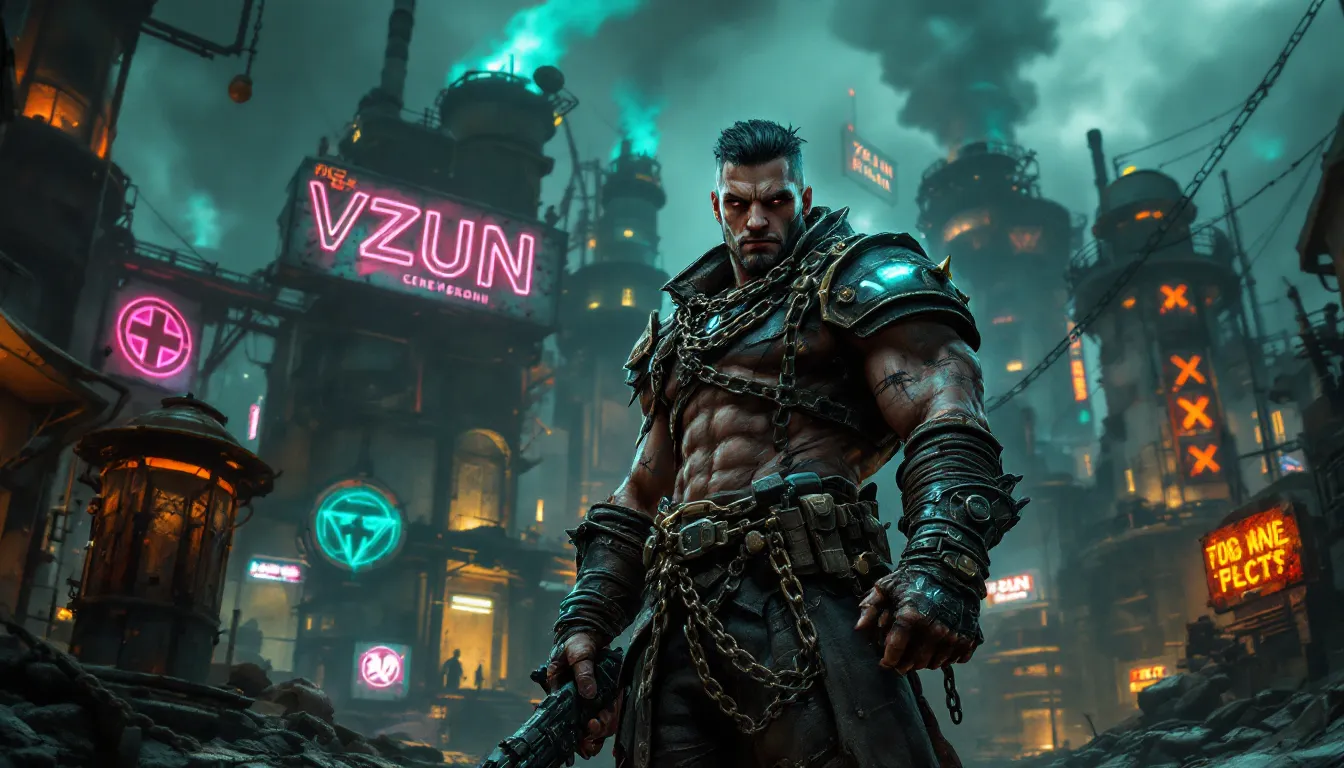

League of Legends has captured the hearts of millions, but it’s also notorious for its toxic atmosphere. Ever wonder why a game that promises epic battles and teamwork often devolves into a battlefield of insults and rage? It’s like entering a digital coliseum where the stakes are high, and the gladiators have just a bit too much caffeine.
Overview Of League Of Legends
League of Legends ranks among the most popular multiplayer online battle arena (MOBA) games, attracting millions of players globally. Developed by Riot Games, this competitive title combines strategy, teamwork, and individual skill. Players engage in matches where two teams compete to destroy the opposing nexus within a unique game map.
The complexity of the game contributes to its appeal. Players select from over 150 champions, each possessing distinct abilities and roles, which allows for diverse gameplay experiences. Matches typically last around 30 to 40 minutes and require strategic coordination to achieve victory. Many players invest significant time in honing their skills.
Community interactions play a crucial role. In-game communication, primarily through text and voice chat, enables teamwork but also fosters negativity. Players face pressure to perform well, and competitive environments can trigger frustration. As emotions escalate, so can toxic behavior, including insults and harsh criticism directed at teammates and opponents alike.
League of Legends maintains an intricate ranking system, with ranks ranging from Iron to Challenger. Advancement in these ranks fuels competitiveness, encouraging players to push their limits. This emphasis on performance leads to heightened emotional responses, contributing to an environment where toxicity can thrive.
Reports from Riot Games reveal a consistent effort to combat toxicity within the game. Systems in place such as player reporting and chat restrictions aim to mitigate negative behavior. Nonetheless, the competitive atmosphere remains a breeding ground for conflicts, highlighting the ongoing struggle between passion and negative interactions.
Understanding Toxicity In Gaming

Toxicity in gaming affects player experience and community dynamics considerably. In League of Legends, this negativity stems from various interactions among players.
Defining Toxic Behavior
Toxic behavior encompasses actions that disrupt gameplay and create a hostile environment. Examples include harassment, verbal abuse, and intentional feeding, which undermine team cohesion. Players engage in these behaviors often due to frustration or a desire to dominate. The anonymity of online play can further embolden individuals, leading to more extreme actions. Recognizing these behaviors helps understand their impact on the gaming community.
Common Forms Of Toxicity In League Of Legends
Harassment stands out as a prevalent form of toxicity in League of Legends. Insults and derogatory comments frequently surface in chat, creating a toxic atmosphere. Additionally, players may exhibit poor sportsmanship by blaming teammates for losses. Intentionally feeding, which involves dying repeatedly to hinder team progress, persists despite negative repercussions. Team conflicts and toxic communication undermine overall enjoyment. Escalation during high-stakes matches often intensifies these behaviors, making toxicity a significant concern in the game.
Factors Contributing To Toxicity In League Of Legends
Multiple factors influence the toxic environment in League of Legends. Understanding these elements can clarify why negativity persists among players.
Competitive Nature Of The Game
The game’s competitive nature drives players to exhibit extreme behaviors. Ranked matches create pressure, compelling individuals to focus solely on winning. Such focus often leads to frustration, especially when teammates underperform. High stakes amplify these emotions, resulting in harsh words and negative interactions. Players frequently view each match as a personal reflection of skill. This mindset fosters a relentless desire to dominate, triggering aggressive responses towards others. Negative behaviors, such as trolling or blaming teammates, emerge from this environment. The very structure designed to promote competition inadvertently promotes toxicity.
Anonymity And Its Effects
Anonymity significantly affects player behavior in League of Legends. Players feel shielded by their online personas, leading to a sense of invulnerability. This lack of accountability fosters negative actions, as individuals are less likely to face repercussions for their words. Many engage in harassment, believing that their true identity remains hidden. Negative interactions become common, especially during heated moments in matches. As anonymity emboldens poor sportsmanship, toxic behavior flourishes unchecked. Communities, relying on interaction, suffer when players treat each other poorly. The result is a cycle where anonymity perpetuates toxicity rather than promoting respect and teamwork.
Community Impact And Consequences
The toxicity within League of Legends has far-reaching effects on players and the community as a whole. Negative interactions detrimentally impact mental well-being, leading to stress, anxiety, and burnout. Players often experience frustration from harassment or poor sportsmanship, which in turn can cause decreased self-esteem and enjoyment of the game. Striving to win exacerbates competitive stress, sometimes resulting in toxic behavior being internalized. Participants frequently engage in negative self-talk when faced with hostility, further damaging their mental state.
Toxic behaviors also influence the broader game culture significantly. League of Legends showcases a divide where sportsmanship clashes with aggressive attitudes, shaping how players interact with one another. The prevalence of harassment and negativity can deter potential players unfamiliar with this culture, impacting community growth. Online interactions forged through toxicity create an environment where poor behavior becomes normalized. Positive experiences are overshadowed by the competitive atmosphere, and fresh players often grapple with this harsh reality, leading to a reinforcing cycle of toxicity that maintains a toxic community dynamic.
Solutions And Improvements
Addressing toxicity in League of Legends requires effective strategies and improvements from both players and developers.
Player Reporting Systems
Player reporting systems play a vital role in maintaining a healthier gaming environment. They enable users to report toxic behavior, such as harassment and intentional feeding, fostering accountability. Upon reporting, a review system assesses the behavior, leading to appropriate actions against offenders. These systems empower players to take a stand against toxicity, contributing to a more respectful community. Transparency around penalties for reported players enhances trust in the system. Regular feedback to players regarding reported issues also promotes a sense of involvement, encouraging users to engage positively.
Developer Initiatives
Developer initiatives focus on creating a supportive atmosphere for players. Riot Games implements various measures, such as enhanced chat restrictions and penalties for repeated offenders. They also encourage positive play through rewards for good sportsmanship, reinforcing desirable behaviors. Initiatives like this cultivate an encouraging environment that minimizes toxicity. Regular adjustments and updates based on community feedback ensure the game adapts to players’ needs. Engaging with the community through surveys and forums also strengthens the connection between developers and players, reinforcing a united front against negative behavior.
Conclusion
The toxicity in League of Legends is a complex issue that stems from its competitive nature and the anonymity of online play. While the game offers thrilling experiences and opportunities for teamwork, it also creates an environment where negative interactions can flourish. Players often find themselves caught in a cycle of frustration and aggression, impacting their mental well-being and overall enjoyment.
Despite efforts from Riot Games to combat toxic behavior, the challenge remains significant. A collaborative approach involving both players and developers is essential to foster a healthier gaming community. By promoting accountability and encouraging sportsmanship, it’s possible to reshape the culture surrounding League of Legends, making it a more enjoyable experience for everyone involved.